Skip to Main Content
  • MyChart
  • Pay a Bill
  • Help
St. Luke's Logo to Homepage
  1. Home
  2. Healthier Communities
  3. Health & Safety Initiatives
  4. Children's Injury Prevention
  5. Battery Safety
  1. Children's Injury PreventionChildren's Injury Prevention
Toddler playing with toys in the living room

Battery Safety

Toddler playing with toys in the living room

Battery Safety

Tiny Batteries, Big Risks

Button batteries may be tiny but can cause big problems. These little coin shaped lithium batteries show up in all kinds of everyday items like remotes, watches, hearing aides, singing birthday cards, toys, and more. Due to the curious nature of children, they often end up in small hands and sometimes small mouths. 

Nearly 3,000 kids end up in emergency departments each year with potentially serious medical issues after swallowing button batteries. If a child swallows a button battery, it can react with their saliva and start causing serious internal burns in as little as two hours and become life-threatening within six hours.

exclamation mark

In case of an emergency, dial 911. You can also call the National Button Battery Ingestion Hotline at 1-800-498-8666. They are available 24 hours a day, seven days a week.


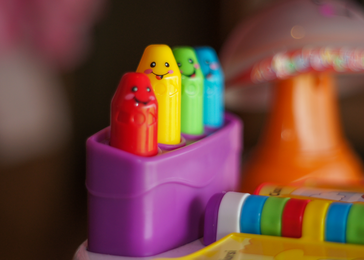
Children's toys

Safe Battery Habits

  • Children's toys

    Secure Children's Toys

    Most children’s toys have a screw to hold down the battery storage. Be sure they are tight and secure before letting your child play with it.    

  • Little boy reaching inside a drawer.

    Ensure Proper Storage

    Batteries often come in large group packages, while most children’s toys only need one or two. Double check that all loose batteries are out of reach of children and locked away.  

  • Toddler holding car keys.

    Up and Away

    Children's curiosity quickly leads to exploration and testing boundaries. As they do, be sure to store batteries and other small objects up and away in a safe place.

button batteries

Warning Signs and What to Do

Urgent Action Saves Lives

If you see your child swallow a button battery or even think they might have, get medical help immediately. Don’t wait for symptoms to appear. Signs can include coughing, drooling, fever, or trouble swallowing. 

Do not try removing the battery yourself, nor make your child throw up. Keep food and drinks away from your child and seek medical care right away. 

For children over age 1, you can give 2 teaspoons of honey if you have it. Honey may help slow the burn but don’t let it delay getting to the emergency room. 

Illustration of a goat in the mountains.
St. Luke's Homepage

About St. Luke’s

Who We Are
News
Careers

Team Resources

For Providers
For Employees
For Contractors

Patient Resources

Financial Assistance
Mental Health Support
Medical Records
Patient Rights & Responsibilities

Essential Information

Accessibility
Price Transparency
En Español

Quick Links

Contact Us
St. Luke’s FitOne
St. Luke’s Health Partners
St. Luke’s Health Plan

DisclaimerNon-Discrimination/EEOPrivacy PracticesTerms of Use
© 2026 St. Luke’s Health System. All rights reserved.
FacebookLinkedinYoutubeInstagram