News & Announcements
Enhancing care: St. Luke’s Boise hospital construction project takes shape after first full year

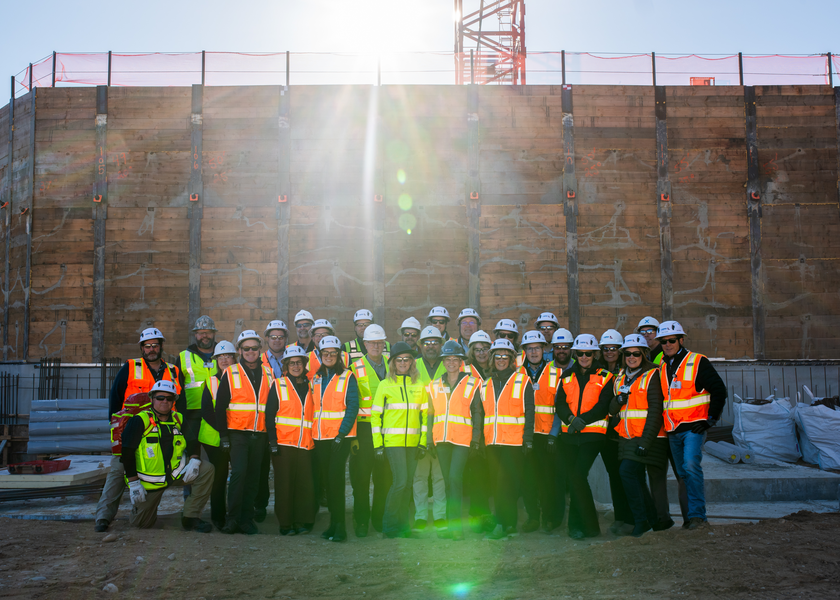
St. Luke’s team members tour recent progress on hospital expansion with Layton Construction.
By Christine Myron, Dave SouthornLast Updated December 29, 2025
A large construction project naturally takes years of planning and preparation. As such, it is an exciting development when everyone can see it starting to take shape.
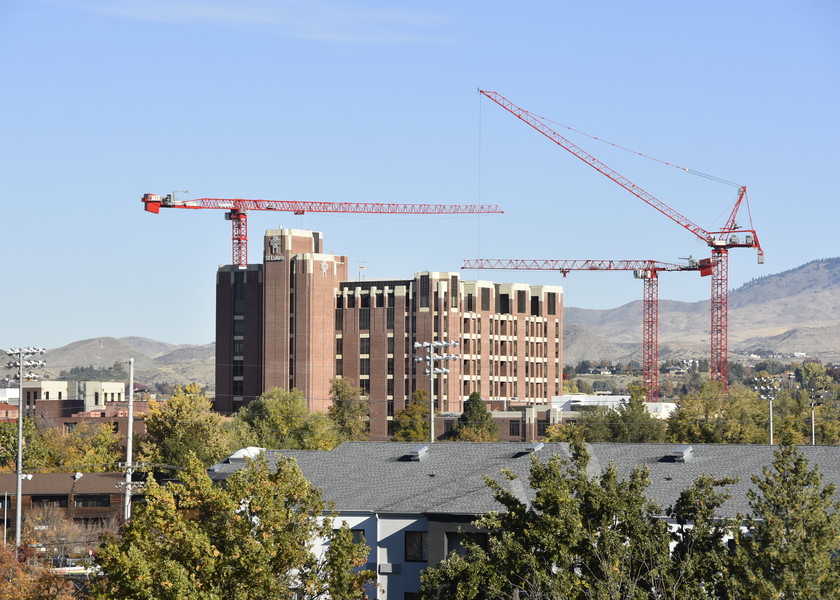
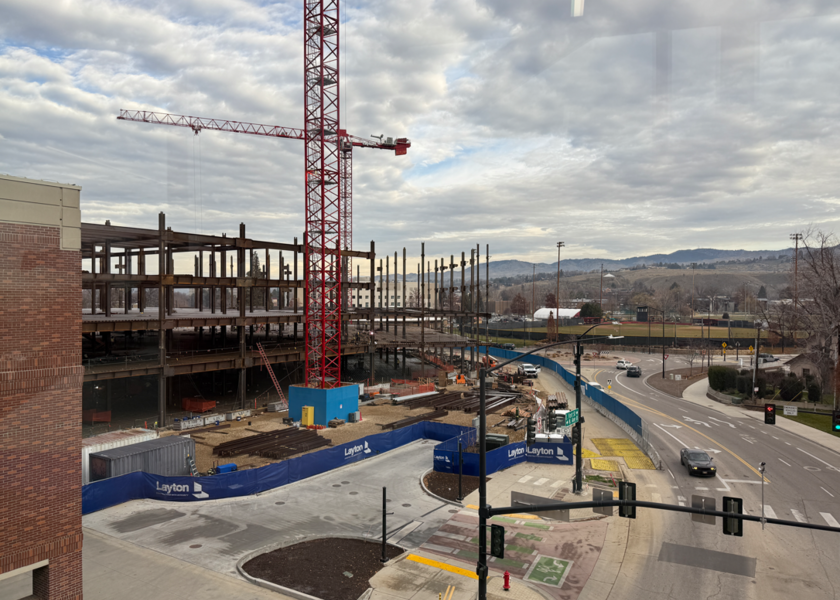
That has been the case at St. Luke’s as structural steel has not only begun to pop out of the foundation for a new hospital tower and medical office plaza, but multiple levels are clearly visible in early stages of development.
Slated to be completed in late 2029 with the first patients to be seen in 2030, the project will cover more than 1 million square feet. The nine-floor tower will feature more than 850,000 square feet of patient-centered care, including 80 additional patient beds and seven new operation rooms, bringing totals to more than 500 and 28, respectively.
“The new facility will ensure St Luke’s continues to deliver on the commitment to meet the increasing health care needs of our community” said Dennis Mesaros, St. Luke’s regional vice president.
According to the Weldon Cooper Center for Public Service at the University of Virginia, Idaho is projected to be the second-fastest growing state between 2020 and 2030. However, the Kaiser Family Foundation reports that only six states have a lower average of hospital beds per 1,000 people, at 1.85, further reinforcing the need for such a major project.
“This growth has strained the capacity of all hospitals throughout Idaho,” Mesaros said. “Additional beds, operating rooms, and clinical staff will improve access to care”
Currently, an average of 140 people are on site daily working on the project. Close to 10 million pounds of steel are on site, an incredible amount considering it first began to arrive in September. On a recent rainy day, construction crews placed 101 pieces of steel, weighing thousands of pounds apiece.
“Before that, our best was 94 … they did it in the rain the whole day, they never climbed off the steel, they had lunch on the iron,” said Pat Kelly, construction manager at Layton, the project’s contractor.
But all that work begs an obvious question: How might it affect the adjacent hospital, a place that often requires precision and fosters recovery? Vibration and noise are commonplace at construction sites.
“Sadly, there are no Nerf hammers,” Kelly said with a laugh.
But Mesaros said Layton has been “phenomenal” in its partnership, keeping hospital operations running as smooth as possible. In addition to adding reinforcements to windows facing the project, there also is the ability to pause construction should it ever impact care. Crane operators are informed whenever an Air St. Luke’s flight intends to leave or land at the Boise hospital.
But before even building up, the project had to dig down, creating the foundation and dealing with what lies beneath, navigating the water table and creating the maze of supports and pipes that will help the future facilities run smoothly years down the road.
The team celebrated a “bottoming out” ceremony in March. More than 100,000 yards of dirt has been moved, enough to fill about two-dozen Olympic-sized swimming pools, necessitating nearly 120,000 miles of travel to relocate the dirt in rural Ada County. That’s about five trips around the world.