Community Health & Engagement
Improving health together: St. Luke’s awards Community Health Improvement Fund grants to 113 organizations

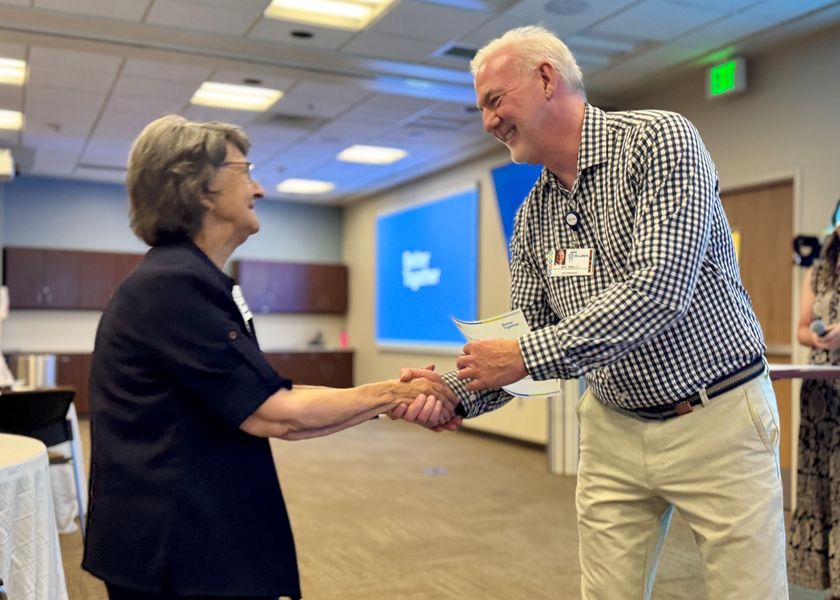
Kami Root of Big Brothers Big Sisters Idaho was among those on hand at last summer’s CHIF recipient celebration in Boise. Big Brothers Big Sisters is again a CHIF recipient in 2026.
By St. Luke’s Public RelationsLast Updated January 9, 2026
One of St. Luke’s core goals is to create healthier communities by building strong partnerships, delivering measurable outcomes and maximizing our impact by inspiring others.
The health system aims to achieve this by collaborating with local organizations across the region — working together to improve the health and well-being of the people St. Luke’s serves.
The Community Health Improvement Fund is one way St. Luke’s fulfills its community benefit commitment. This year, St. Luke’s awarded $998,874 in CHIF grants to 113 organizations. Awards ranged from $1,000 to $44,000, with an average grant of $8,840.
Funding priority is given to organizations whose programs address the most pressing health needs identified through St. Luke’s Community Health Needs Assessment and key social drivers of health, such as safe housing, transportation and access to nutritious food.
The Community Health Needs Assessment is a comprehensive analysis that helps St. Luke’s identify and assess communities’ most critical needs. This information guides both the health improvement programs we provide and the support we offer to community partners.
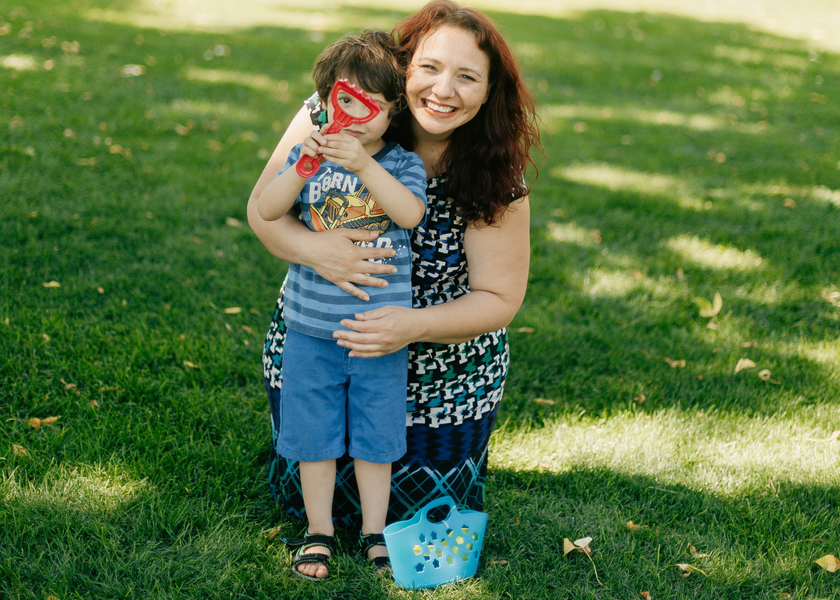
Patricia and her family were among those who have been aided by CHIF recipient CATCH, which provides help for families experiencing homelessness.
The most recent CHNA identified these top health priorities:
- Safe, affordable housing and homelessness
- Behavioral health, including mental health, suicide prevention, and substance misuse
- Access to affordable health care, including oral and vision health
- Access to health-related services, including reducing language and cultural barriers
- High cost of living, including housing, childcare, and education
CHIF applications open each August for community organizations. All qualifying applications undergo a thorough review by each medical center’s Community Board, featuring local leaders and volunteers, to ensure alignment with local health priorities. Grant awards are distributed by year-end.
“In a time of funding uncertainty and growing needs, the CHIF program allows St. Luke’s partners the ability to count on our trusted support as they uniquely serve our communities’ greatest needs,” said Theresa McLeod, St. Luke’s administrator of community health and engagement. “St. Luke’s is dedicated to working with community partners doing meaningful work to care for our communities.”
St. Luke’s mission is to improve the health of the people in the communities it serves. In 2024, St. Luke’s provided $930 million in community benefit, including unreimbursed services, charity care, capital investments, and community programs.
Following are examples of programs CHIF grants support and how they make a difference:
Health system
Children’s Home Society of Idaho’s mission is to provide exceptional mental and behavioral health care to all children, regardless of insurance status or ability to pay.
This year’s CHIF grant will support the Community Support Program, which delivers comprehensive mental, emotional and behavioral health services to children and families, aiming to improve community well-being and access to care. Services include individual and family counseling, peer groups, medication management, school-based counseling and care farm therapy.
A team of dedicated clinicians addresses diverse needs such as physical, emotional and sexual abuse, grief, depression, anxiety, bipolar disorder and severe trauma.
In addition to providing access to care, CSP offers The Children’s Home Training Center, which provides supervision and mentorship to graduate-level clinical interns and professional development opportunities for internal and community-based clinicians. This program ensures access to high-quality care for any child who walks through the doors, regardless of insurance status or ability to pay.